


In an era marked by the relentless pursuit of extravagance, MUJI, a Japanese retailer founded in 1980, emerges as a beacon of simplicity and functionality. Standing in stark contrast to both the flashy allure of luxury brands and the ubiquity of low-quality goods, MUJI introduced a revolutionary concept: a commitment to providing no-brand (“Mujirushi”) products that exude the value of good items (“ryohin”). This article explores how MUJI has successfully redefined the concept of luxury, turning its back on conventional branding to emphasize quality, simplicity, and sustainability.
A New Definition of Luxury
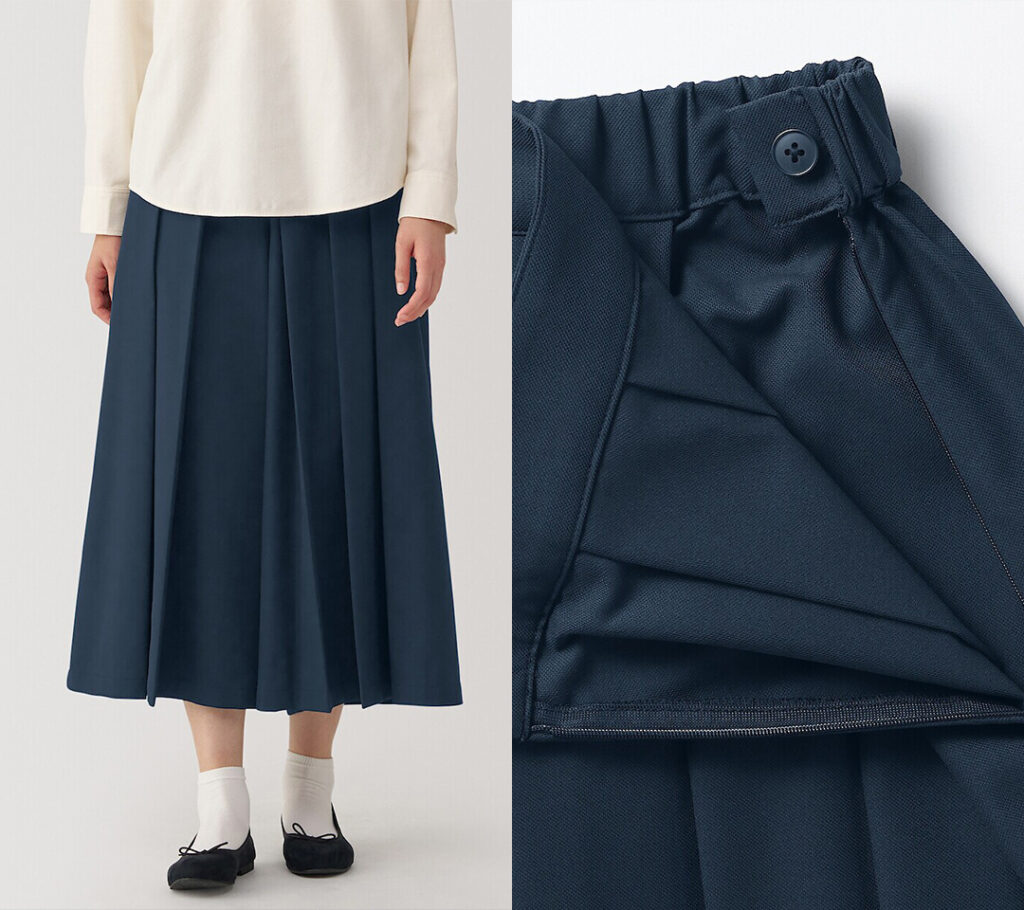
MUJI‘s philosophy is a critique of the consumer society that was prevalent in Japan during the late 20th century, which was increasingly divided between high-end foreign brands and poor-quality domestic products. Instead of adding to the clutter, MUJI sought to strip it away, focusing on the essentials of product design. By selecting high-quality materials, scrutinizing manufacturing processes, and simplifying packaging, MUJI ensured that the essence of each product was its utility and sustainability, not its brand emblem or luxury status.

The Aesthetic of Simplicity
Central to MUJI’s ethos is the Japanese aesthetic of “su,” which translates to plain or unadorned. This principle influences all MUJI products, from furniture and clothing to stationery and household goods. There is an elegance in their simplicity that transcends traditional luxury, suggesting that the best design is, in fact, as little design as possible. This approach does not just appeal to minimalism for aesthetic reasons but is a practical philosophy that impacts how products are used daily by consumers.
Sustainability as Luxury
In today’s consumer climate, sustainability has become a new standard for luxury. MUJI was ahead of this curve, embedding eco-friendly practices into its business model from the outset. The company’s commitment to using recycled materials, minimizing waste, and avoiding unnecessary chemicals in production processes has set a benchmark in the industry. For MUJI, luxury means creating products that customers can feel good about owning, both for their functional design and their minimal environmental impact.
Global Appeal
MUJI’s approach has resonated globally, attracting a diverse audience that values both the aesthetic and ethical dimensions of their purchases. The universality of MUJI’s products, which eschew culturally specific designs in favor of broad functionality, allows them to fit seamlessly into various lifestyles and interiors around the world. This global appeal is further bolstered by the brand’s commitment to affordability, ensuring that high-quality, sustainable products are accessible to a wide audience.
Educational Role
MUJI not only sells products but also educates the market about the importance of simplicity and sustainability in consumer goods. Through its product development and marketing strategies, MUJI challenges consumers to rethink what they need from the products they buy and to choose items that will last longer and impact the environment less.
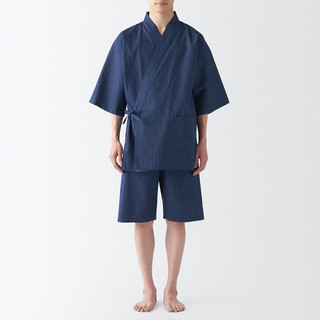
MUJI has successfully carved out a niche where simplicity and functionality define luxury. By stripping back to basics, MUJI has redefined what it means to be a luxury brand in the modern world. Their no-brand ethos, which places the emphasis on the quality and usability of the product itself, has not only influenced design philosophies but also shifted consumer expectations, paving the way for a future where luxury is defined not by excess but by ethics and aesthetics. In doing so, MUJI has turned its back on traditional luxury and created a legacy that has the potential to endure far beyond its branded counterparts.