
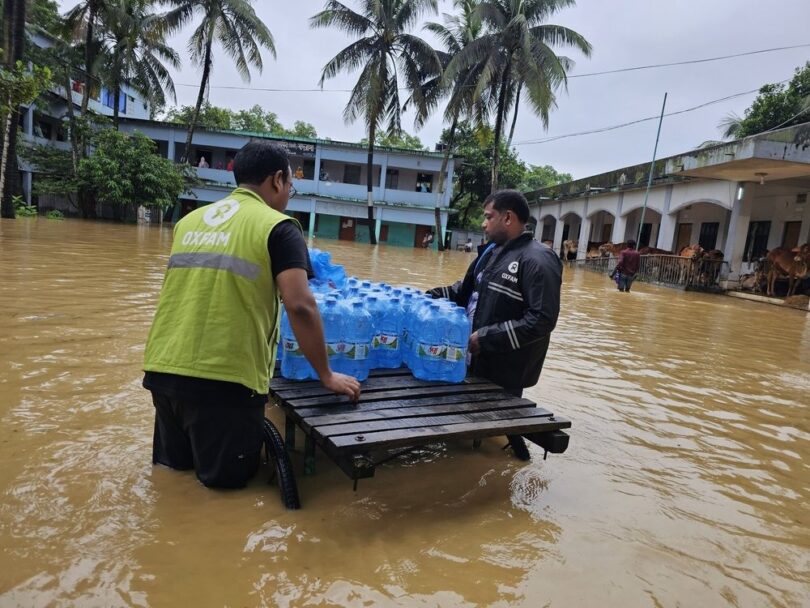

Natural disasters, conflicts, and humanitarian crises can devastate communities, leaving millions without shelter, food, clean water, and basic resources. When disaster strikes, immediate action is crucial, but long-term recovery is just as important. Oxfam, one of the world’s leading humanitarian organizations, has been at the forefront of emergency relief efforts for decades, helping communities move from crisis to hope.
Through rapid response, sustainable rebuilding, and advocacy for systemic change, Oxfam ensures that those affected by disasters not only receive immediate aid but also the support they need to rebuild their lives and strengthen their resilience against future crises.
Rapid Emergency Response: The First 72 Hours
When disaster hits, the first hours are critical. Oxfam’s global network of aid workers, partners, and volunteers is always ready to respond immediately, providing life-saving assistance to those in need. The organization prioritizes access to clean water, sanitation, food, and shelter—fundamental necessities for survival in the aftermath of a crisis.
One of Oxfam’s key strengths is its ability to mobilize quickly. With established teams and partnerships in over 80 countries, the organization can distribute emergency relief supplies, set up water purification systems, and build temporary shelters in record time. Whether responding to an earthquake, flood, famine, or conflict, Oxfam works closely with local organizations to ensure that aid reaches those who need it most.
Providing Clean Water and Sanitation
Access to clean water is one of the biggest challenges in disaster-stricken areas. Contaminated water sources can lead to deadly diseases like cholera and typhoid, further endangering lives. Oxfam specializes in setting up emergency water supplies and sanitation systems to prevent outbreaks and ensure communities have safe drinking water.
One of the organization’s most effective tools is its water purification kits, which can be deployed in emergency zones to provide clean water almost immediately. Oxfam also constructs latrines and hygiene facilities to prevent the spread of diseases, particularly in overcrowded refugee camps and displacement centers.
By addressing water and sanitation needs early, Oxfam helps reduce health risks and provides a foundation for recovery efforts to begin.
Food Security and Livelihood Support
In many disaster-stricken regions, food supply chains are disrupted, leaving communities without access to essential nutrition. Oxfam responds by distributing emergency food supplies and cash assistance, enabling families to purchase what they need locally. This not only ensures that people have enough to eat but also supports local markets and businesses, preventing economic collapse.
Beyond immediate relief, Oxfam helps communities restore their food production systems. This includes distributing seeds, farming tools, and training programs to help farmers reestablish their crops and livelihoods. The goal is not only to provide short-term assistance but to help communities regain their independence and long-term food security.
Rebuilding Homes and Infrastructure
When disasters destroy homes and critical infrastructure, rebuilding becomes a top priority. Oxfam works with affected communities to construct safe and durable housing, ensuring that people have a secure place to live. The organization also helps rebuild schools, health centers, and roads, enabling communities to regain a sense of normalcy.
Rather than simply providing ready-made solutions, Oxfam empowers local people to participate in the reconstruction process. This approach ensures that rebuilding efforts are culturally appropriate, sustainable, and tailored to the specific needs of the community.
Women and Children: Protecting the Most Vulnerable
During emergencies, women and children are often the most vulnerable to exploitation, violence, and neglect. Oxfam places a strong emphasis on gender-sensitive aid, ensuring that women and girls have access to safe spaces, healthcare, and support networks.
Programs that provide economic opportunities for women—such as small business grants and vocational training—are essential in helping them rebuild their lives. Additionally, Oxfam advocates for the rights of women and children in disaster-stricken areas, working with governments and international organizations to ensure protection measures are in place.
A prime example of Oxfam’s long-term impact can be seen in areas affected by climate-related disasters, such as droughts and hurricanes. By helping communities implement sustainable farming techniques and early-warning systems, Oxfam enables them to withstand future challenges more effectively.
From Crisis to Hope: How You Can Help
Oxfam’s humanitarian efforts are only possible through the support of individuals, organizations, and governments who believe in making a difference. There are many ways to contribute to their life-saving work:
- Donating: Financial contributions enable Oxfam to respond rapidly and effectively to emergencies. Even a small donation can provide clean water, food, or shelter for families in need.
- Volunteering: Whether in local Oxfam shops or in international aid efforts, volunteers play a crucial role in supporting the organization’s mission.
- Advocacy and Awareness: Raising awareness about global crises and advocating for policy change can create lasting impact and help prevent future disasters.
Through its commitment to emergency relief, sustainable recovery, and advocacy, Oxfam continues to bring hope to communities facing some of the world’s most challenging crises. From the moment disaster strikes to the rebuilding of lives and infrastructure, Oxfam’s work is a testament to the power of humanitarian aid.
By supporting Oxfam, individuals can be part of this journey—from crisis to hope—and help create a world where no one is left behind in times of disaster.