
Shoes that fit in length can still pinch across the toes, forefoot or instep. For people with broader feet, this mismatch can turn ordinary walking into an uncomfortable experience. Choosing footwear with a genuinely wider construction offers a more practical solution than simply buying a longer size. Wide Fit Shoes specialises in this area, bringing together footwear for men and women in multiple width fittings and everyday styles.
Why the Right Width Matters as Much as Length
Footwear sizing is often discussed in terms of length, yet width influences how the foot sits and moves inside a shoe. A narrow toe box may squeeze the forefoot while a tight upper can place unwanted pressure across the top of the foot. A pair that is too long creates a different problem, as the heel may move and the shoe may bend in the wrong place.
Good fit combines forefoot room with a secure heel, making everyday walking more comfortable.
Foot shape also varies independently of shoe size. Some wearers have a broad forefoot but a relatively narrow heel, while others need extra depth for a high instep. Recognising these differences makes it easier to evaluate construction rather than relying on a generic wide-fit label.
Understanding 2E, 4E, 6E and Wider Fittings
Width codes help distinguish shoes designed for different foot shapes. Within the Wide Fit Shoes selection, categories include 2E, 4E, 6E and, in selected ranges, 8E. These labels generally progress from wide to substantially wider fittings, although measurements and naming conventions can vary between manufacturers and between men’s and women’s ranges.
An extra-wide design should not be confused with an oversized shoe. Increasing length to compensate for pressure at the sides can leave excessive space in front of the toes without resolving the intended fit. A better approach is to establish the correct length first, then compare available width options for that size.
Depth deserves equal attention. Footwear with additional internal volume may help accommodate a higher instep, thicker socks or an insole. Adjustable designs can also make fitting easier when the shape or volume of the foot changes during the day.
Footwear Choices for Different Daily Routines
A wider fit need not limit style or function. The Wide Fit Shoes range covers trainers, casual shoes, boots and sandals for men and women, allowing shoppers to consider the demands of a particular setting before comparing designs. The width option remains important, but the construction of each category serves a different purpose.
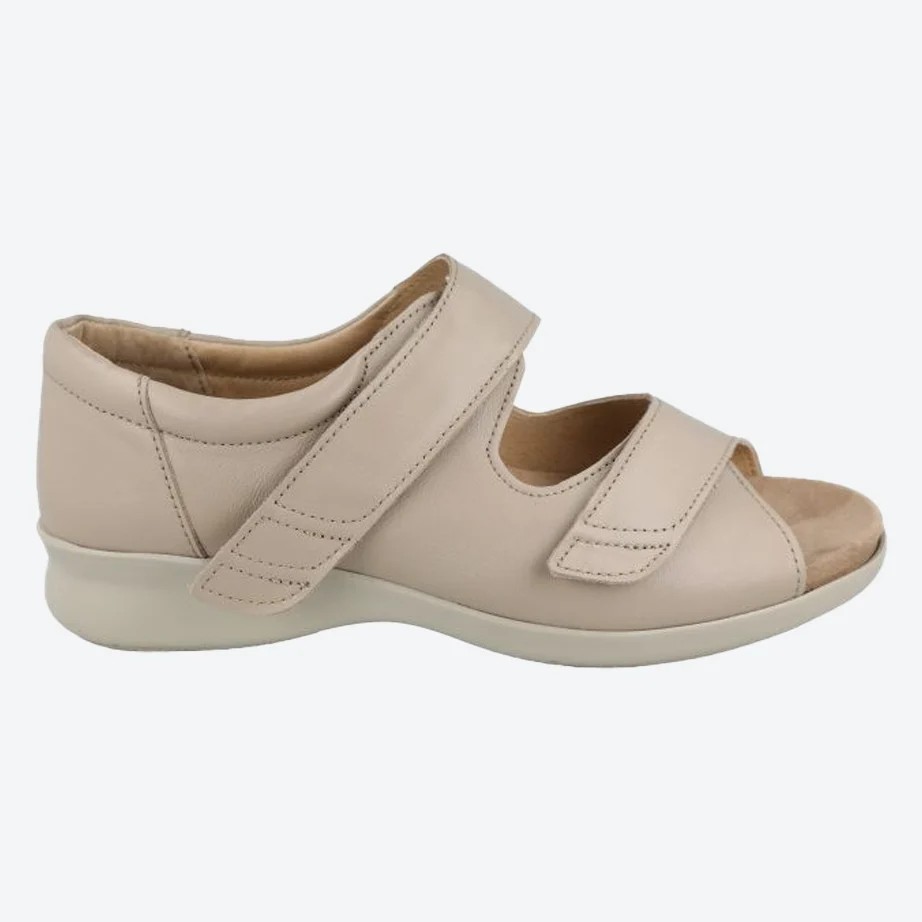
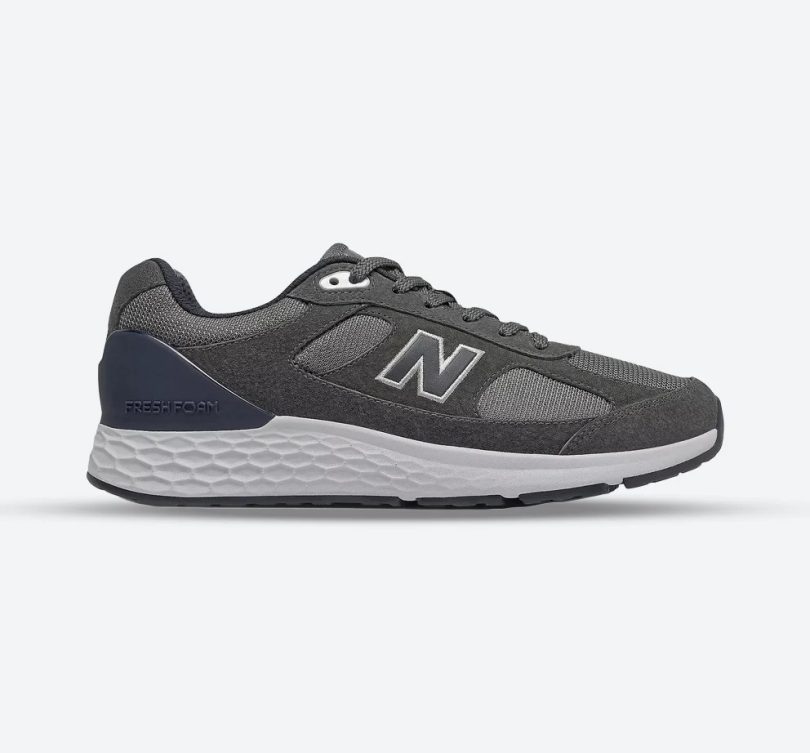
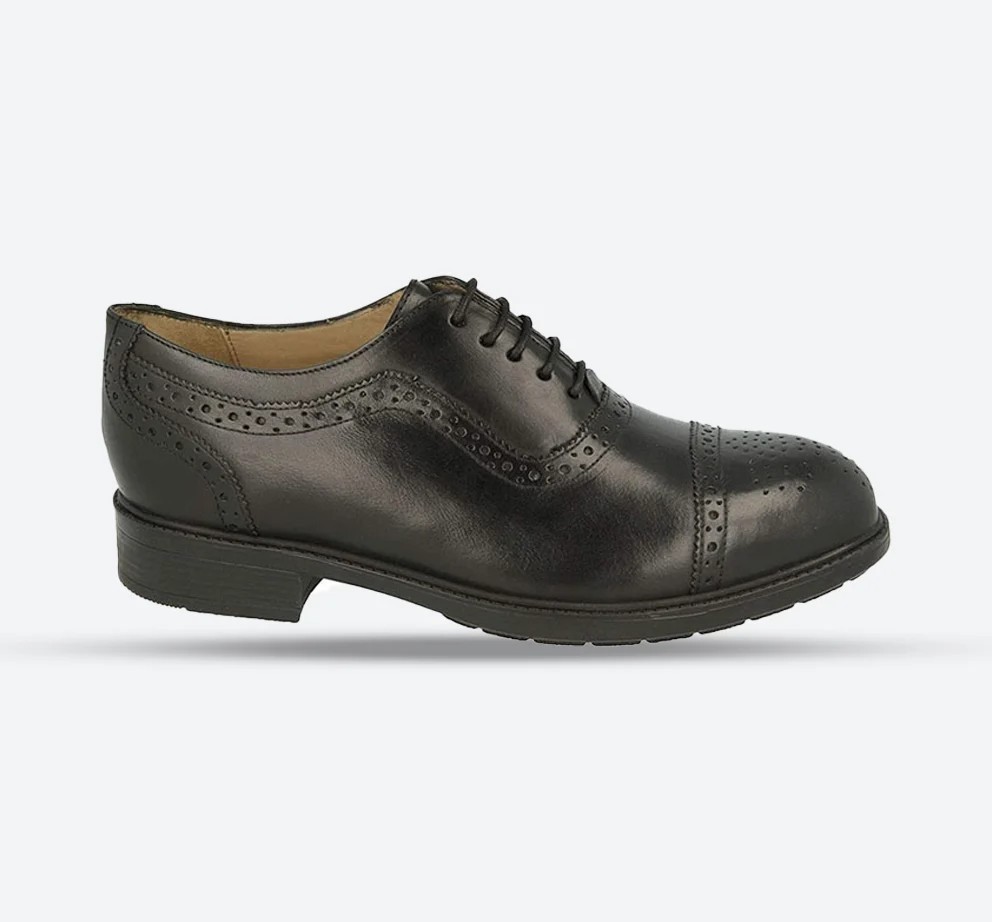
Trainers often suit everyday movement because they combine a flexible upper with cushioned components and secure fastenings. Smart or casual shoes may be better suited to workplaces and occasions where a more structured appearance is useful. Boots provide additional coverage for cooler conditions, while sandals can offer a lighter alternative in warm weather.
Not every style is produced in every width. Product-level information should therefore take priority over assumptions based on a category name. Materials also influence the feel of a shoe. A soft textile upper may accommodate the foot differently from firm leather, and design details such as seams can affect pressure points.
Practical Features Worth Checking Before Choosing
A comfortable wide-fitting shoe depends on more than the width printed on its label. The following features provide useful comparison points when assessing different styles.
• A rounded or appropriately shaped toe area allows the toes to rest without persistent pressure against the sides.
• Laces, straps or adjustable fastenings help manage fit across the instep without relying on unnecessary shoe length.
• A removable insole can provide flexibility for wearers who use their own inserts, subject to the shoe’s available depth.
• A stable heel fit and suitable sole flexibility help the shoe remain comfortable and controlled during normal walking.
These details should be considered together. A spacious toe box may not compensate for a loose heel, just as a highly cushioned sole cannot correct a shoe that is too narrow. The best match is the design that accommodates the whole foot in the activity for which it is intended.
How to Check Fit More Accurately
Foot measurement is a useful starting point, particularly when usual shoes regularly rub or feel restrictive. Measurements should account for both feet because small differences are common. Checking footwear later in the day can also be informative, since foot volume may increase after several hours of activity.
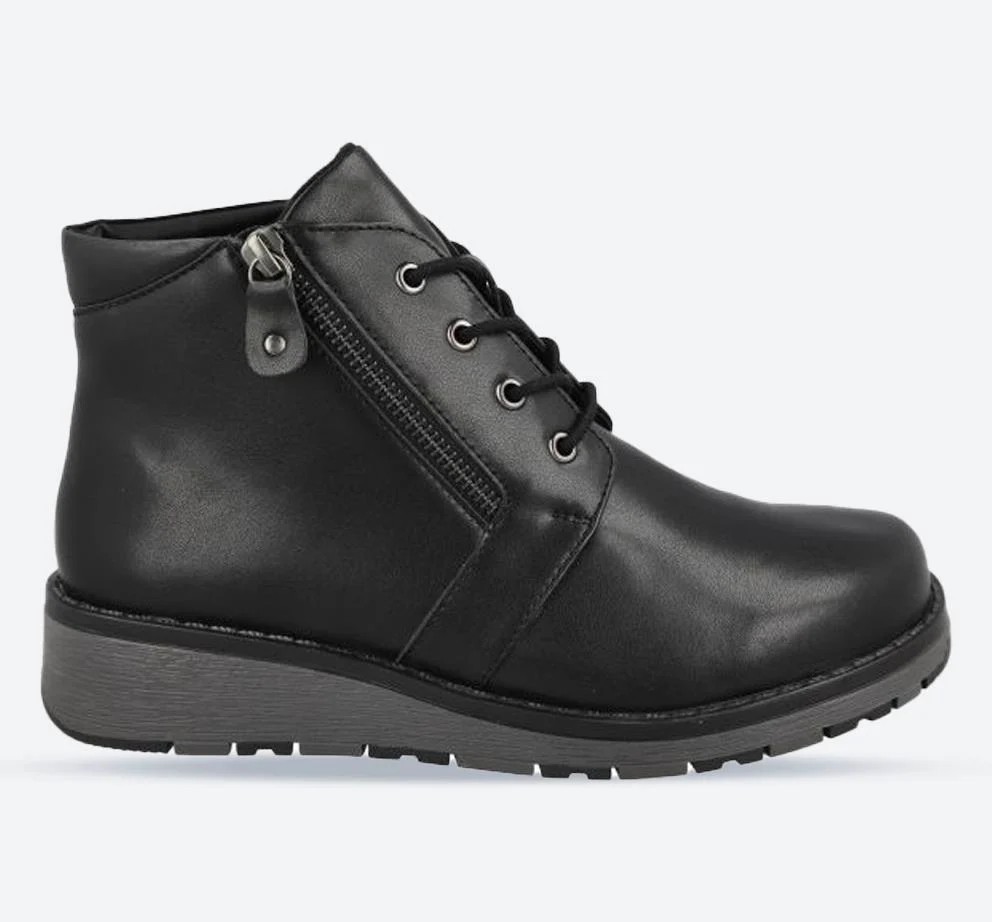
The retailer’s size and width guides help explain the available fittings. A shopper can compare those guidelines with the precise dimensions or fit notes provided for a particular product. Trying footwear with the socks usually worn for that activity gives a more meaningful impression than testing it with unusually thin or thick socks.
During an indoor fit check, the toes should have space to move, the widest part of the foot should not hang over the supporting insole and the heel should remain reasonably stable when walking. Any repeated rubbing, pinching or forward sliding is a reason to reconsider the size, width or model. Footwear should feel suitable from the outset rather than depend on substantial stretching.
A More Considered Approach to Everyday Comfort
Well-fitting shoes can make everyday routines easier by reducing avoidable pressure and allowing the wearer to focus on movement rather than discomfort. For men and women who struggle with conventional sizing, understanding the distinction between length, width and depth broadens the available options.
The variety offered by Wide Fit Shoes illustrates why an informed fitting process is more helpful than choosing by appearance alone. Comparing width codes, upper construction, adjustability and intended use can lead to footwear that combines an appropriate shape with practical everyday style.