


Aircraft interiors present a unique cleaning challenge because space is limited and materials are sensitive. Dust, debris, and moisture can quickly affect both comfort and equipment performance if not handled correctly. Traditional cleaning tools often fall short in these environments, which is why aircraft vacuum systems are designed with precision and airflow control in mind. Aircraftvacuums.com focuses on solving these specific problems by offering systems tailored to aviation maintenance teams rather than general cleaning crews.
What Aircraftvacuums.com Brings To Aviation Maintenance
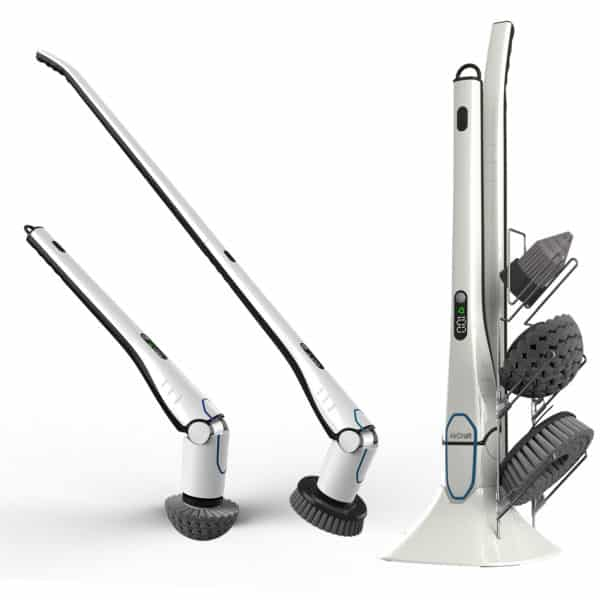
Aircraftvacuums.com builds its service approach around the practical needs of aviation operators who require consistency and reliability. Instead of offering one-size-fits-all machines, the platform emphasizes equipment designed for continuous use in demanding environments. The core idea is to improve cleaning efficiency while reducing downtime during maintenance operations.
Many operators look for aircraft vacuum systems that can balance strong suction with careful handling of sensitive surfaces. This balance is essential in aircraft cabins where electronics, seating materials, and tight paneling require controlled cleaning power. The service model also supports long-term usage rather than short-term fixes, which matters for commercial aviation teams managing multiple aircraft.
Performance Benefits That Matter In Real Operations
One of the main advantages of aircraft vacuum systems is consistent performance under pressure. Aircraft maintenance teams often work on tight schedules, so equipment needs to perform without frequent interruptions or maintenance issues. Aircraftvacuums.com highlights durability and steady operation as key advantages, making it suitable for environments where downtime is costly.
Another important factor is mobility. Cleaning equipment must move easily through narrow aisles and compact cabin layouts. Lightweight design and flexible attachments help crews reach difficult areas without damaging interior components. This improves overall efficiency and reduces cleaning time across multiple aircraft.
Practical Use And Long Term Reliability Considerations
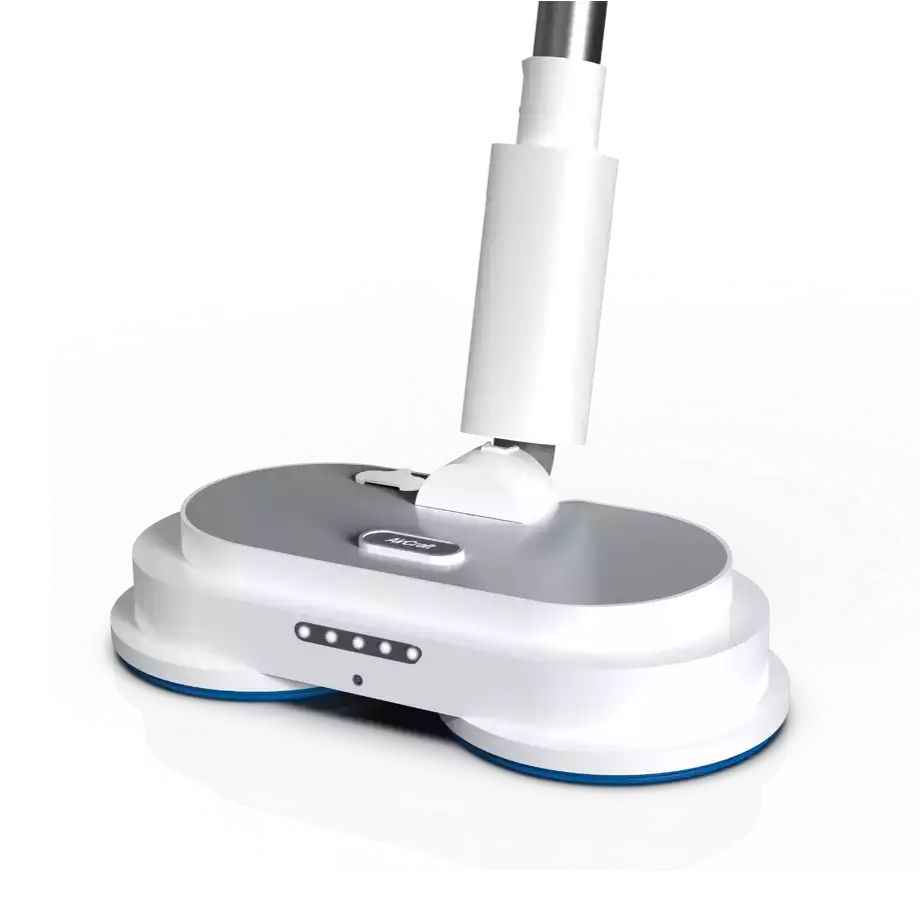
In aviation settings, reliability often matters more than advanced features. Equipment that breaks down frequently can delay turnaround times and increase operational costs. Aircraftvacuums.com focuses on providing systems that are designed for repeated use in commercial environments.
Aircraft vacuum systems in this category are expected to handle dust buildup, seat cleaning, and cargo area maintenance without losing suction power. Ease of maintenance is another important factor, since crews need to service equipment quickly and return it to operation without technical delays. This approach supports smoother workflows and more predictable maintenance schedules.
Final Perspective On Value And Operational Fit
For aviation teams evaluating cleaning solutions, the decision often comes down to reliability, efficiency, and long term usability. Aircraftvacuums.com presents itself as a focused provider in this niche, offering equipment designed specifically for aircraft environments rather than adapting general cleaning tools.
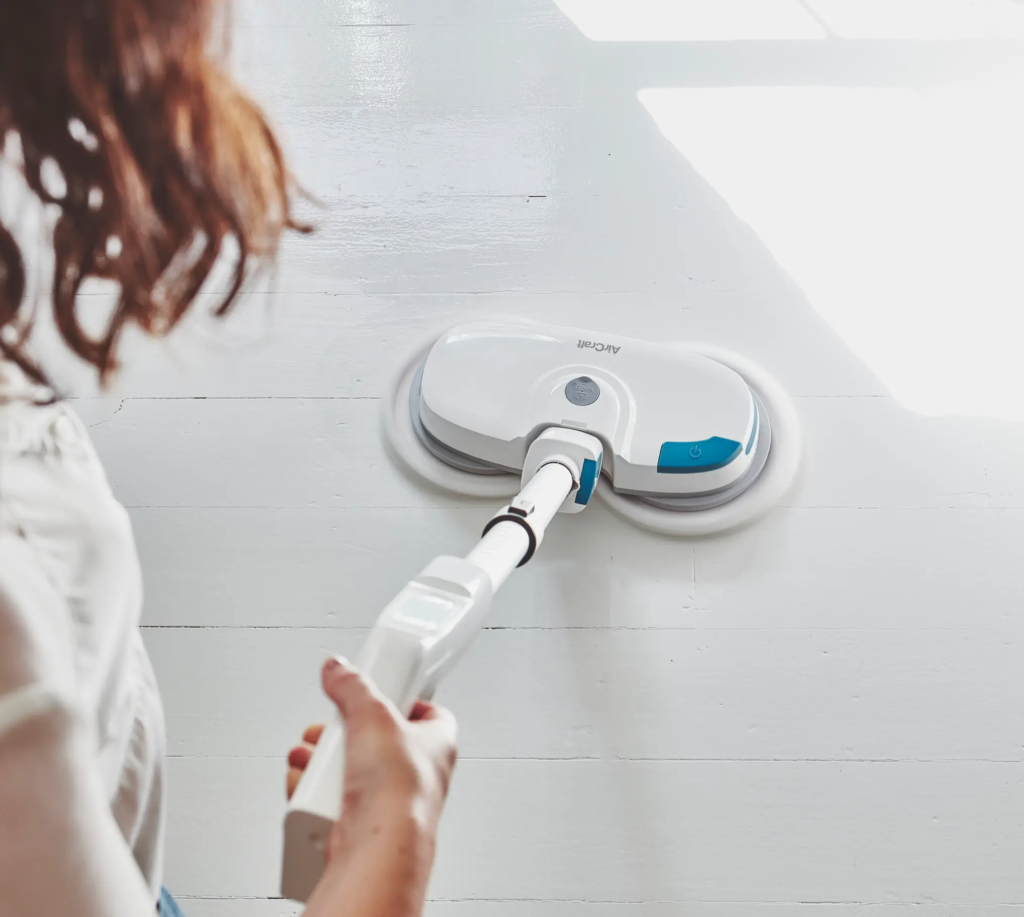
Buyers exploring aircraft vacuum systems will likely appreciate the emphasis on practical performance over unnecessary complexity. The platform also supports operators who want dependable solutions that integrate into existing maintenance routines without disruption. For those comparing options, reviewing the full range available on the aircraftvacuums.com official website can help clarify which systems best match operational needs.