
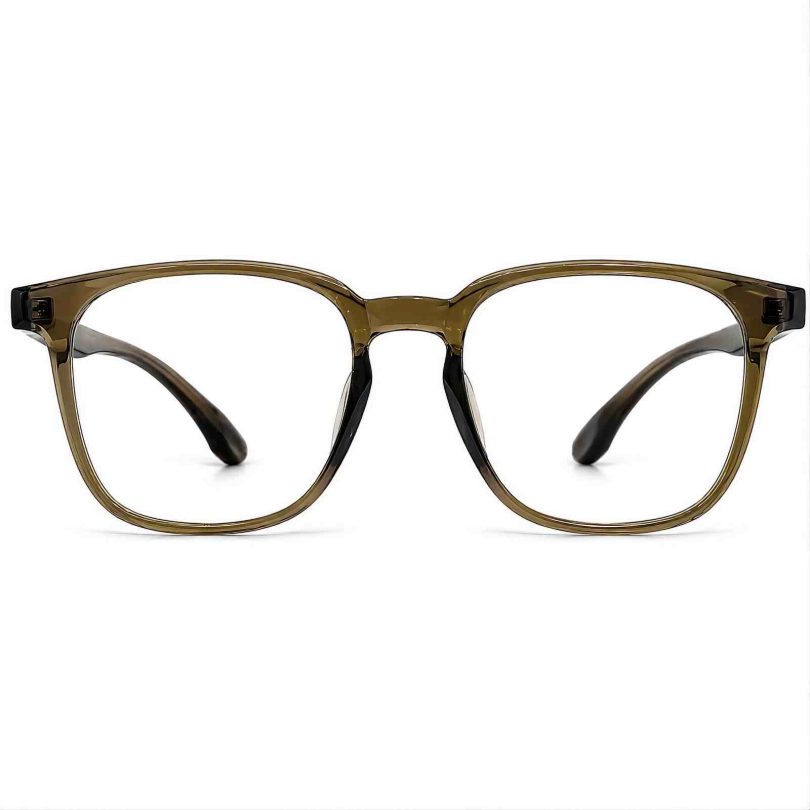

Shopping for prescription glasses online still raises doubts for many people who grew up visiting a high street optician for every pair. Questions about verification, lens quality, fit, and returns keep some shoppers from trying a digital retailer at all. This article looks at what actually happens when ordering prescription glasses online, using the policies and product details published by Low Cost Glasses as a reference point.
Why Online Glasses Retailers Cannot Legally Skip Prescription Verification
A common assumption is that online retailers simply skip the step of checking a prescription. In practice, Low Cost Glasses states that every order is prescription checked before lenses are made. Customers enter their prescription details directly on the site, including the distance row of figures, which covers SPH, CYL, and AXIS values.
For those ordering varifocal, progressive, or reading lenses, the brand also asks for the NEAR ADD figure, while computer or intermediate lenses call for a separate INTER ADD value obtained from an optician. This structured intake shows that verification is built into the ordering flow rather than left out of it. The distinction between these figures matters because each one controls a different part of how a lens is ground.
Shoppers without a prescription to hand are not turned away either. The site allows an order to be placed first, with the prescription sent across afterward. This flexibility does not remove the verification step, it simply adjusts when the information is provided.
The Myth That Standard Lenses Cheapen Quality at Low Cost Glasses
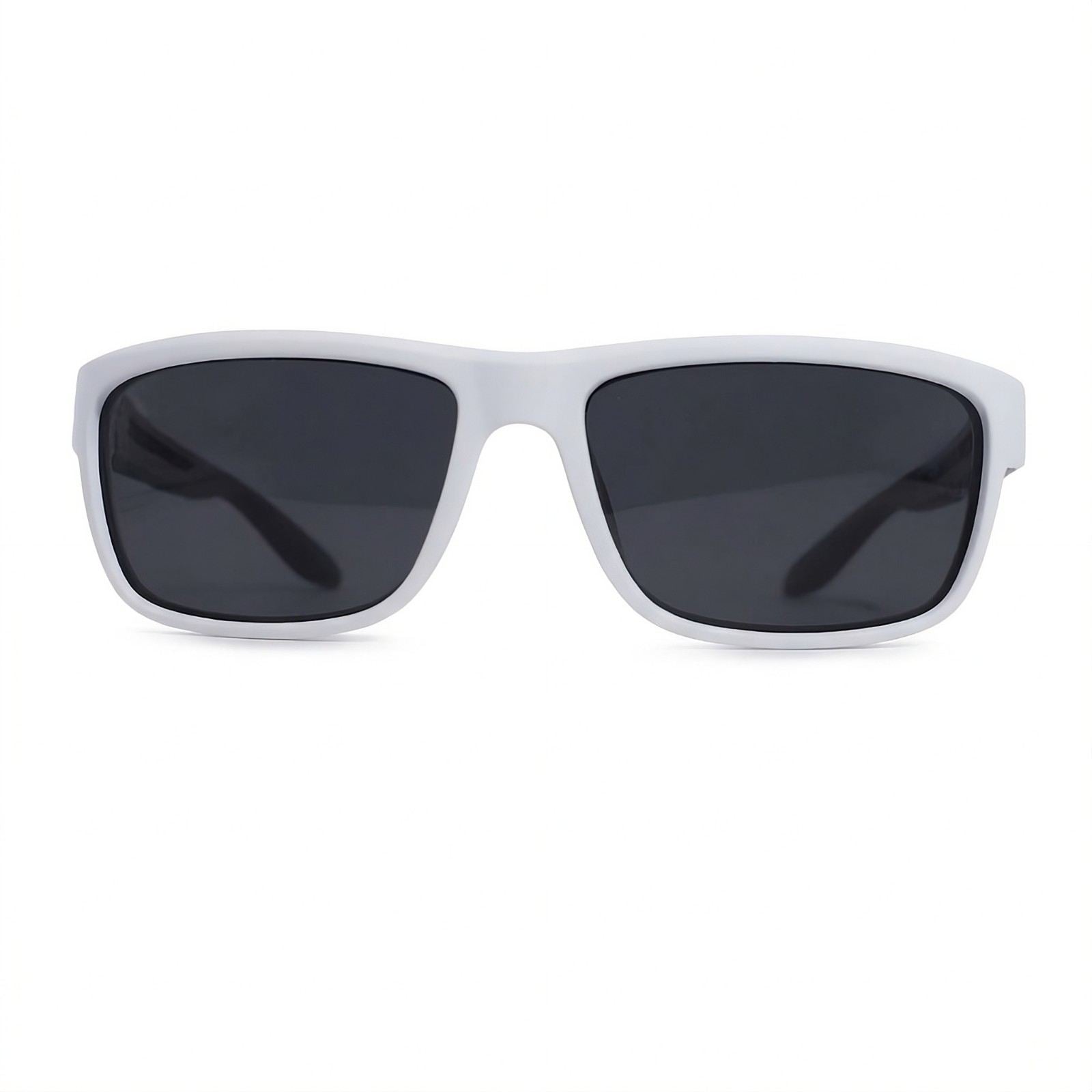
Another misconception is that budget-friendly frames must come with inferior lenses. Frames across the women’s, men’s, and sunglasses ranges at Low Cost Glasses list basic single-vision lenses as a standard inclusion rather than an optional extra. That baseline stays consistent whether the frame is a simple round style or a larger aviator shape.
Beyond the included lenses, a range of customization options is available at the point of order. These additions let a customer adjust material, coating, and tint according to personal needs rather than settling for a single fixed lens type.
- Prescription sunglasses can be ordered with tinted lenses in shades such as brown, grey, or green.
- Dark tinted lenses are offered as a category 3 tint, blocking between 75% and 100% of UVA/UVB.
- Frames bought without lenses still ship with false lenses fitted, some of which carry a brand logo.
- Plano lenses, which carry no prescription power, can still be paired with lens add-ons.
- Complex prescriptions attract an additional surcharge per item, reflecting the extra lens work involved.
These options mean a shopper is not limited to one generic lens whenever a frame is selected from the catalogue.
Varifocal, Bifocal, and Blue Light Options: Beyond Basic Single Vision
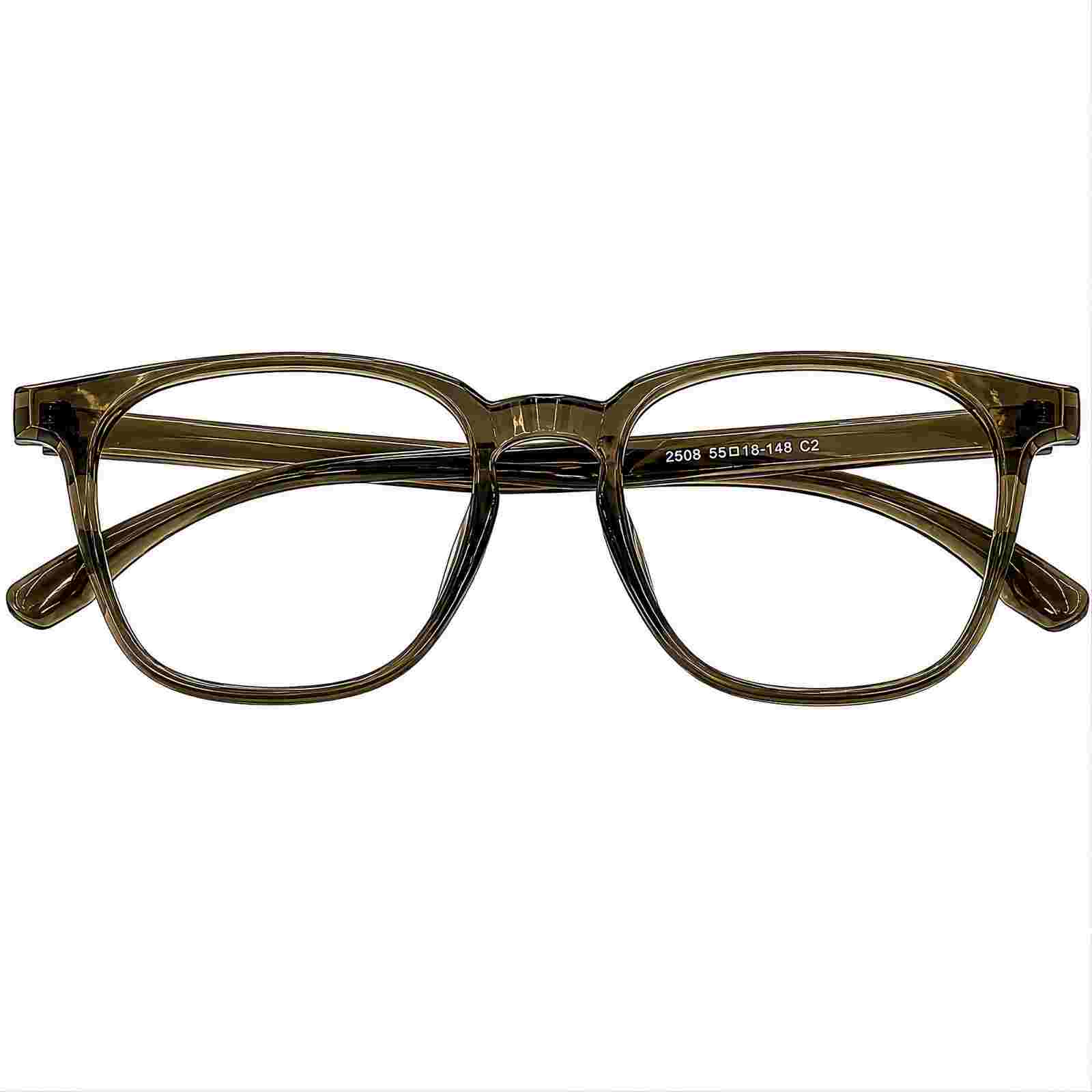
It is sometimes assumed that online retailers only handle straightforward single-vision prescriptions. The catalogue is instead organized into dedicated sections for varifocal, bifocal, and blue light lenses, sitting alongside the standard women’s, men’s, and sunglasses ranges. That structure signals these lens types are treated as regular product categories, not rare exceptions.
Bifocal orders follow a similar logic to varifocal ones, since both lens types rely on more than one prescription zone. Blue light lenses sit within their own collection too, giving an additional option for those wanting it alongside a prescription. Together, these categories show that ordering prescription glasses online covers far more than a single lens format.
Frame Fit and Size: How Virtual Try-On and Detailed Measurements Solve the Fit Problem
Fit is one of the most repeated concerns about ordering prescription glasses online without trying a frame on in person. Low Cost Glasses addresses this with a virtual try-on feature available across its frame listings, letting a shopper preview a style before committing to it. Frames are also browsable by face shape, including oval, round, square, and heart-shaped categories.
Every product listing carries precise measurements, typically given as three numbers covering lens width, bridge width, and arm length, alongside a size label such as Small, Medium, Large, or XL. A frame like the Isaac comes in a Small size with a 47-21-140 measurement, while the Katniss sunglasses style sits at an XL 61-18-136. These figures let a shopper compare frames numerically rather than relying on guesswork.
Shapes are also browsable by category, including aviator, square, rectangle, cat-eye, round, and browline styles. Combining shape browsing with exact measurements and a virtual preview gives shoppers more reference points than a single product photo would.
The 30-Day Money-Back Guarantee and What It Actually Covers
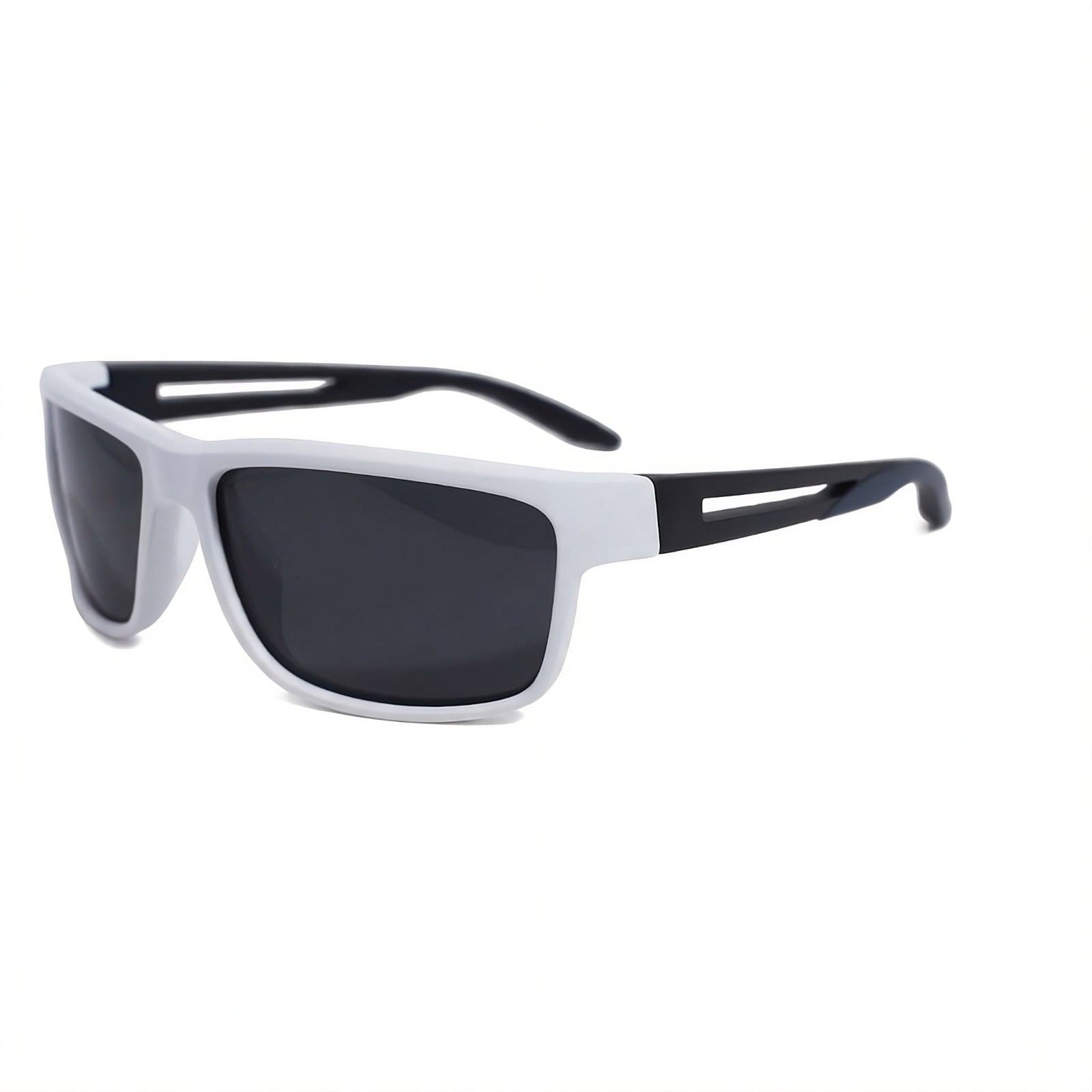
Returns policy is another area where assumptions run ahead of the facts. Low Cost Glasses offers a 30-day money-back guarantee, allowing a return within that window for an exchange. This policy sits alongside free UK delivery on qualifying orders and round-the-clock email support for questions that come up after an order is placed.
The guarantee gives a concrete timeframe rather than a vague promise, which matters for anyone unsure about ordering lenses without handling the frame first. Support is described as available 24 hours a day, seven days a week, covering the period during which a return decision is typically made.
Common Errors When Entering Prescription Details Online
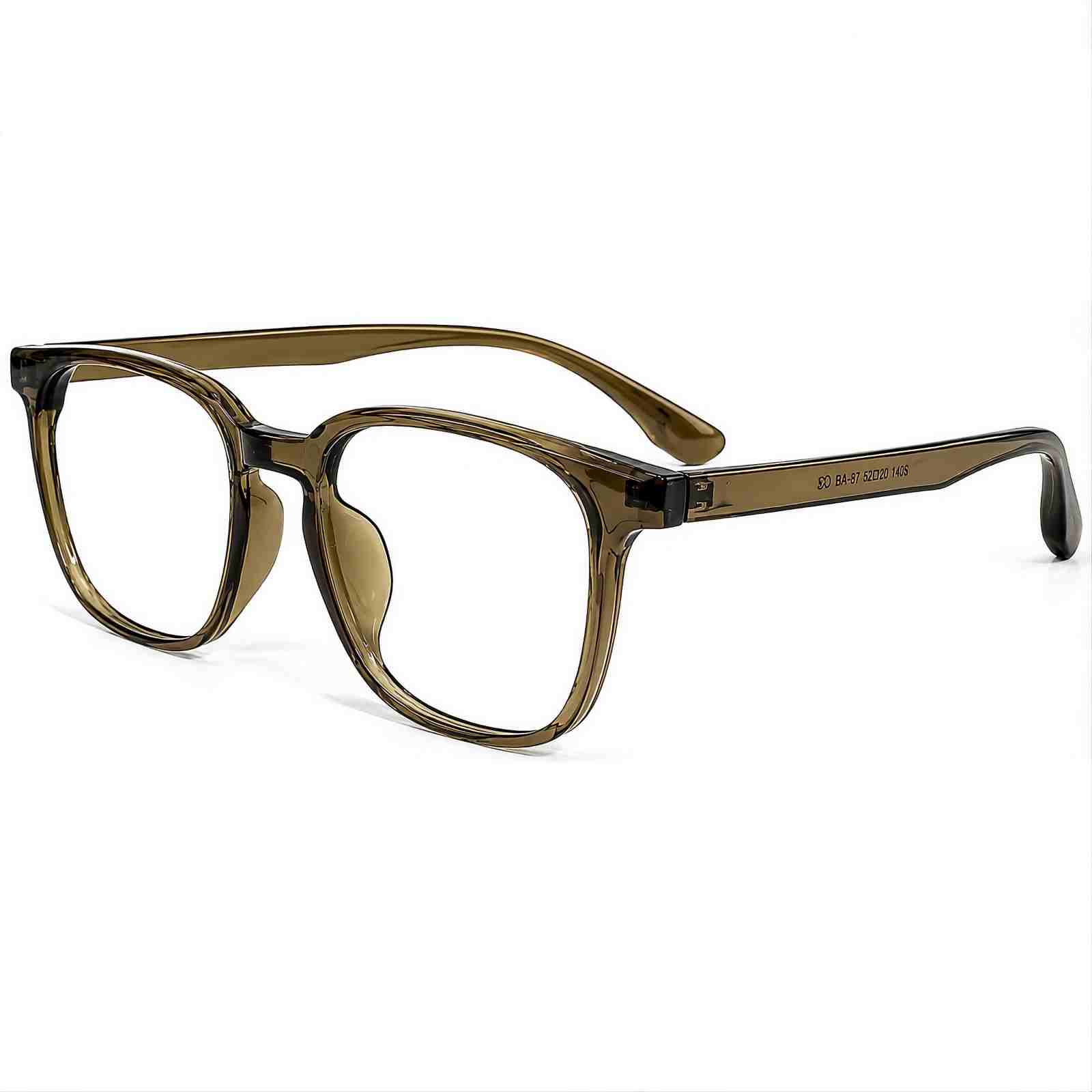
Mistakes at the data entry stage are a real risk when ordering prescription glasses online, simply because the form asks for several figures at once. A frequent error is leaving CYL and AXIS blank when they are actually populated on the original prescription, since these values are not always present for every patient. Another is confusing NEAR ADD with INTER ADD, two figures that cover different lens purposes and are rarely interchangeable.
Shoppers ordering plano lenses sometimes enter prescription figures unnecessarily, when no prescription is actually required for that lens type. Others attempt to order computer or intermediate lenses without first confirming suitability or obtaining the INTER ADD figure from an optician. Taking a moment to match the lens type selected with the correct set of figures reduces the chance of a delayed or reprocessed order.
Online eyewear retailers continue to close the gap between convenience and the checks a traditional optician once handled in person.