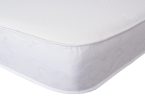


Cold months change what a bedroom needs. Thinner summer sheets and light duvets stop doing their job once temperatures drop, and that is where winter bedding essentials come into focus. From heavier duvets to thermal sheets and warm bath linen, the right combination can turn a chilly room into a genuine retreat.
Why Winter Bedding Requires Different Textiles
Warm-weather bedding is built for breathability, but winter calls for insulation and density instead. Lighter weaves that feel pleasant in summer often leave sleepers reaching for extra blankets once the heating goes off at night. Swapping in heavier fabrics and denser fills addresses that gap directly, rather than layering on more of the same thin sheets.
Absolute Home Textiles describes its bedding materials in terms of weight and weave, which matters most when temperatures fall. Cotton bedding, for instance, is noted to regulate temperature across the year, which is part of why it remains a common choice even as the seasons shift. Understanding these material differences is a useful starting point for building a proper set of winter bedding essentials.
Duvets and Pillows for Cold-Season Sleep
Duvets sit at the centre of any winter bedding plan, and the range lists duvets alongside pillows as a core part of the offering. A bamboo bedding collection includes bamboo duvets and bamboo pillows, with memory foam options among the pillow choices. Bamboo fabric is described as temperature-regulating and moisture-wicking, helping sleepers stay cosy during colder nights while also working to keep things cool in warmer months.
Pillows play a supporting role that is easy to overlook. The memory foam bamboo pillows in the range are noted for added neck and head support, which contributes to overall comfort rather than warmth alone. Pairing a heavier duvet with a supportive pillow rounds out the sleep setup before sheets and blankets are even considered.
Bed Linen Layering: The Role of Quality Sheets and Blankets
Layering is a practical strategy for winter, and bed linen sits at the heart of it. Duvet covers come in several materials, including 100% cotton options in weaves such as 120TC, 144TC, 200TC percale, and 300 to 400TC sateen. Heavier sateen and percale weaves bring a denser, more substantial feel to a bed, which suits the layering approach many households use once the weather turns.
Polycotton duvet covers are also part of the range, blending the softness of cotton with the added durability of polyester. Blankets are listed as a distinct category within the bed linen offering, sitting alongside duvet covers, mattress protectors, and bedding packs. Building a layered bed, with sheet, blanket, and duvet cover together, gives far more flexibility than relying on a single heavy duvet alone, and it is one of the simplest ways to assemble winter bedding essentials without a full overhaul.
Bath Linens and Robes for Winter Warmth
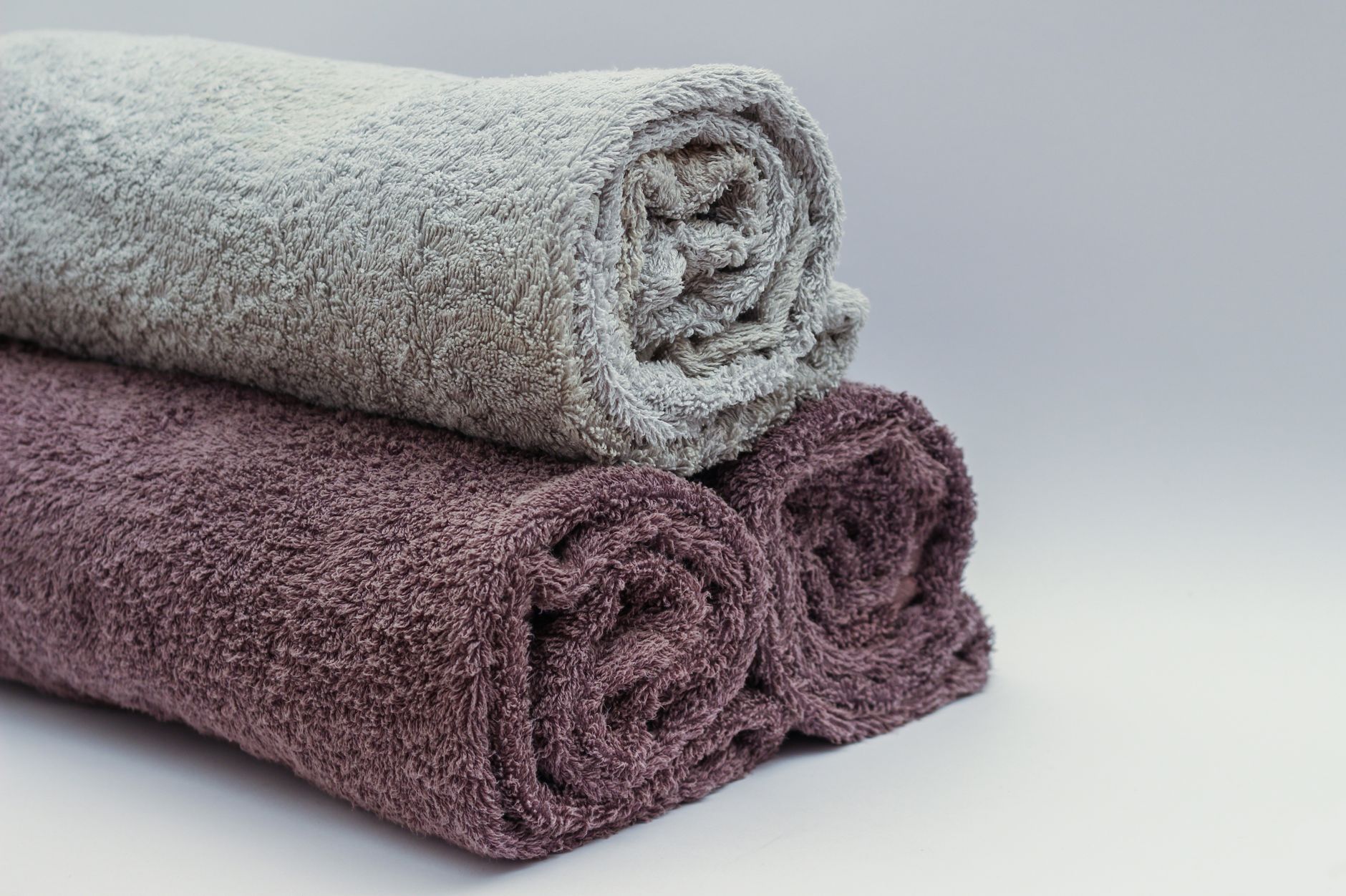
Warmth in a winter bedroom is not limited to the bed itself. Absolute Home Textiles stocks bath robes and bath mats as part of a wider home textile range, extending the same seasonal thinking into the bathroom. A dedicated bath robe category sits alongside towels and bale sets, giving a practical option for the moments before and after bathing when a room can feel coldest.
These linens work alongside bedding rather than replacing it, rounding out a household’s cold-weather textile needs. Pairing substantial towels with a robe is a straightforward way to extend warmth beyond the bedroom and into the rest of a morning or evening routine.
Creating a Winter Bedroom Sanctuary with Coordinated Textiles

Coordinating materials across a room brings a sense of order to the cold months. The range covers bed linen, duvets, pillows, blankets, and bath items together, which makes it simpler to match fabrics and weights across a bedroom. Choosing cotton sateen sheets alongside a bamboo duvet and matching pillows, for example, keeps textures consistent even though the materials differ.
Absolute Home Textiles also extends beyond the main bedroom. Its baby bedding collection includes cot sheets, Moses basket bedding, and baby blankets, built with lightweight cotton or cellular fabric to help manage temperature for younger sleepers. This shows that the same seasonal thinking behind winter bedding essentials for adults carries through to nurseries as well, with materials chosen for the specific needs of infants.
- Duvets provide the main layer of insulation and are available in bamboo and other material options within the range.
- Bed linen, including cotton and polycotton sheets in various thread counts, forms the base layer against the skin.
- Blankets add an extra layer of warmth that can be added or removed as indoor temperatures change.
- Pillows, including memory foam bamboo options, support comfort alongside the warmth provided by duvets and blankets.
- Bath robes extend cold-weather comfort beyond the bed into the bathroom and the rest of a morning routine.
Transitioning Bedding as the Season Changes
Seasonal transitions are less about replacing an entire bedroom and more about swapping specific pieces. A heavier sateen duvet cover or an added blanket can be introduced for winter, then set aside again once the weather warms. Because bamboo fabric is described as suited to both cooling in summer and cosiness in colder nights, it offers some flexibility across the changeover rather than needing a full seasonal swap.
The categories span duvet covers through to blankets and bedding packs, which makes it straightforward to pick out individual pieces rather than an entire set. That structure suits a gradual transition, where a household might only need a new blanket or a heavier duvet cover rather than a complete refresh. Thinking of winter bedding essentials as a set of swappable layers, rather than one fixed configuration, keeps the process manageable across the colder months.
Cold-season comfort ultimately comes down to the right combination of layers for a given room and sleeper.